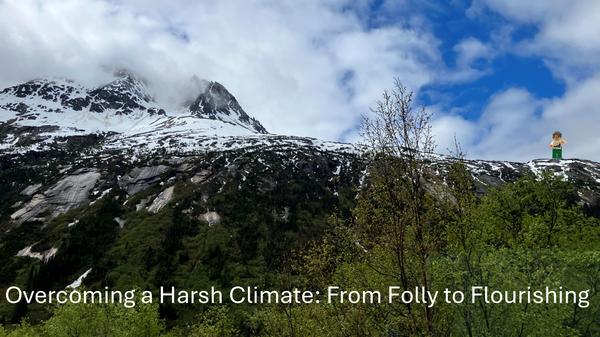
Standing near a mountain, ocean, glacier, or forest can make any person feel very small. That feeling becomes even stronger in Alaska, where nature is vast, harsh, and impossible to ignore. Yet that same landscape also reveals something deeply human: people build systems that help others move, trade, work, and thrive.
That is the real lesson behind Alaska’s growth. What once looked like “worthless land” after the 1867 purchase from Russia for $7.2 million, or 2 cents per acre, became a place shaped by movement, settlement, and infrastructural investment. Gold helped attract people. Railways helped keep the region working. Over time, transport routes carried not only prospectors, but freight, minerals, passengers, and tourists.
For small to medium-sized business owners, that story feels familiar. Markets shift. Technology changes. Demand moves. The question is not only where the next gold rush is. The better question is what durable business infrastructure helps people create value long after the rush fades. This blog explores Alaska’s economic lesson, why infrastructure matters more than hype, and how that thinking can sharpen business judgment.
How Seward’s Folly Becomes an Economic Lesson
Alaska was once dismissed as Seward’s Folly. The purchase seemed foolish because many people could not see immediate value in such a large and harsh territory.
What changed was not the land itself, but the way people used it.
- Gold discoveries in the Yukon drew prospectors into southern Alaska.
- Travel routes such as Skagway became gateways for economic movement.
- Settlements followed access, and cities followed settlements.
The idea is simple. Resources matter, but access turns resources into usable economic value.
Why the Klondike Gold Rush Needed Railways
The Klondike Gold Rush created urgency, but infrastructure created continuity. Private investors made critical decisions to build transport systems through difficult territory.
That investment changed how the region worked:
- It reduced the difficulty of crossing harsh land.
- It supported the movement of supplies, people, and later freight.
- It stayed useful even after the gold rush slowed down.
This is how infrastructure works in business. It does not depend on one moment alone. It supports more kinds of value creation over time.
What Alaska’s Top Industries Reveal About Durability
Alaska’s leading industries include commercial fishing and processing, oil and energy, and tourism. These sectors show that long-term business value often comes from systems that support repeated activity, not one short-lived opportunity.
The pattern is clear:
- Early movement opened the door to settlement.
- Settlement expanded economic opportunities.
- Economic opportunities supported more business and more infrastructure.
During peak tourist season, cities such as Ketchikan, Juneau, and Skagway see sharp increases in temporary residents. That demand exists because supporting systems are already in place.
Why SMBs Should Study Infrastructure Thinking
Small and Medium-sized businesses often face uncertainty around technology, client needs, and changing markets. The Alaska story offers a practical lens for decision-making.
In every gold rush, many people chase the prize. Yet those who provide the tools for travel often earn steadier returns.
- Prospectors chase uncertain wins.
- Infrastructure investors support broader activity.
- Durable assets outlast temporary excitement.
That is why modern cloud infrastructure is compared to support for the AI rush. The deeper lesson is not about copying trends. It is about investing in assets and skills that reduce risk and remain useful as markets change.
A Practical Walkthrough from Gold Rush to Tourist Economy
Alaska’s economic path shows this lesson in motion. In 1867, the territory was purchased from Russia and widely viewed as a poor investment. Later, gold discovered in Canada’s Yukon drew prospectors toward southern Alaska, especially through Skagway.
At that point, investors did something more durable than prospecting. They built infrastructure. Railways and transport routes helped people cross difficult territory. That made it easier to move supplies and people during the gold rush. Then the same systems kept working after the rush weakened.
The White Pass Yukon Railroad did not end with gold fever. It continued supporting mining and freight and now serves tourists as well. That is the practical value of infrastructure thinking. One investment supported several phases of economic use over time: prospectors, settlements, freight, passengers, and tourism. The business model evolved because the underlying route remained relevant.
Where Businesses Misread the Modern Gold Rush
Many businesses focus too much on the visible prize and too little on the system underneath it. That is the core mistake in any gold-rush mindset. It can lead owners to chase sudden opportunity while neglecting the assets that create consistent value.
A few questions help reveal that risk.
- Are you trying to capture a quick reward in a fast-changing market?
- Are you reacting to AI, customer shifts, or economic uncertainty with panic?
- Are you building something that stays useful when demand changes form?
The Alaska example shows the trade-off clearly. Gold drew attention, but railways sustained business.
Natural beauty attracts tourists, but infrastructure supports their arrival and movement.
The solution in the context is not to avoid change. It is to invest more carefully in durable skills, systems, and business foundations that can serve more than one wave of demand.
Steps to Build More Durable Business Value
- Study the real driver: Look past the visible trend and identify what actually enables movement, trade, or service delivery in your business. This helps separate temporary excitement from lasting value.
- Invest in durable assets: Focus on infrastructure, skills, and systems that remain useful across changing market conditions. The goal is not speed alone, but resilience over time.
- Track evolving demand: Alaska’s routes served prospectors first, then freight, passengers, and tourists. Watch how customer needs shift so your business can adapt without rebuilding from scratch.
- Reduce panic decisions: Economic uncertainty and technological change are not new. Better judgment comes from understanding cause and consequence before reacting.
- Think like an enabler: Ask how your business helps others grow, move, or operate more effectively. Businesses that support wider activity often create more stable long-term returns.
From Harsh Terrain to Better Business Judgment
Alaska offers more than a travel memory or an economic anecdote. It shows how people flourish in harsh conditions by building systems that make opportunity usable. That is true in geography, and it is true in business.
The deeper lesson is that resilience is rarely random. It grows from decisions about infrastructure, access, and long-term usefulness. Seward’s Folly became a different story once people stopped judging value by appearances alone. The same habit can improve business judgment today, especially when markets feel noisy and crowded.
----
For readers who enjoy this economic lens, Dr. Kruti Lehenbauer’s book Invisible Hand, Visible Profit presents economics as a working language for better judgment, moving from rational ignorance to markets, competition, trade, and policy. Good business thinking starts when we learn to observe cause and consequence more clearly.
What railway line is your business building now that will still matter after the rush moves on?
LinkedIn Newsletter on this topic: Overcoming A Harsh Climate: From Folly to Flourishing